Accessible Diabetes Technology Consulting
Bridging Diabetes Technology & Accessibility Through Real-World Experience
ADTC tests diabetes devices and their apps with blind users — VoiceOver and TalkBack — and tells manufacturers what works, what doesn’t, and what blocks blind users from using their product safely.
Pilot evaluation: one product (device + app) · written report within two weeks, plus a 1-hour findings call · $2,500 flat · limited to the first three clients, agreements signed by December 31, 2026 · 50% due to start. Full terms are in the pilot offer section below.
What a pilot evaluation covers
One product, tested end to end the way blind users actually use it — not a checklist run by someone imagining blindness, but hands-on testing by blind users who depend on diabetes technology every day.
-
The device and its app, together
A pilot covers one product: the physical device plus its companion app. Blind users don’t experience them separately, so ADTC doesn’t test them separately.
-
Real screen readers, both platforms
Testing is done with VoiceOver on iOS and TalkBack on Android — the two screen readers blind users actually use — across the tasks your product asks of them.
-
A written report within two weeks
You receive a written report documenting what was tested and what was found, so your team has a concrete record to work from — delivered within two weeks.
-
A one-hour findings call
After the report, you get a one-hour call with the founder to walk through the findings, ask questions, and talk through what your team does next.
Services and experience
What ADTC offers, the real-world experience behind it, and the diabetes technology the founder already uses hands-on.
Services
- Accessibility Consulting
- User Experience Testing with Blind Users
- Diabetes Device Evaluations
- Training & Education
- Manufacturer & Clinic Consulting
- Accessible Technology Advocacy
Real-world experience
- 41+ years living with Type 1 diabetes
- 12+ years navigating diabetes as a blind professional
- 7+ years of training others in using insulin pumps and CGM systems
Hands-on experience with
- Tandem t:slim X2
- Beta Bionics iLet
- MiniMed Flex
- Dexcom CGM
- Abbott FreeStyle Libre CGM
Has a blind diabetic ever used your product?
If the answer is no — or you’re not sure — that is exactly the gap ADTC exists to close. Blind users manage diabetes with the same devices and apps as everyone else. Almost nobody checks whether they can.
Zero accessibility sessions
The 2026 Diabetes Technology Meeting agenda contains zero sessions on accessibility. The industry’s own gathering isn’t having this conversation — which is why it has to happen product by product.
No rule puts blind users in the room
Federal law — including the ADA and FDA requirements — does not require blind users to be part of device validation. A product can reach the market without blind users ever having used it. ADTC exists to close that gap voluntarily, before your blind customers find it for you.
The Pilot Program
A one-time introductory offer so the first companies through the door can find out where they stand — at a flat price, with no hourly meter running.
- Limited to the first three clients. This is a one-time pilot offer; once the three slots are claimed, it ends.
- 50% due to start. Half the fee is due when the agreement is signed, and the evaluation begins.
- Report within two weeks, plus a one-hour findings call with the founder.
- Re-testing after fixes is a separate engagement. If your team makes changes and wants them verified, that is scoped and priced on its own.
How it works
Three steps, start to finish.
-
Step 1
Book an introductory call
Email or call to set up a short introductory conversation about your product and whether a pilot evaluation is the right fit.
-
Step 2
Sign and start
Sign the pilot agreement — by December 31, 2026 to hold a pilot slot — with 50% due to start. Then your device and app go into testing.
-
Step 3
Get the report and the call
Within two weeks you receive the written report, followed by a one-hour findings call to walk through it with the founder.
About the founder
Ismael “Izzy” Collazo is blind, and he has lived with type 1 diabetes for over 41 years.
He began rationing insulin at eighteen, after losing his housing and his insurance on the same day — insulin cost about $300 a week he did not have. The damage caught up at twenty-eight: doctors found the first retinal damage then, and within six months he was completely blind. That story is published, it is his, and it is why this work is personal: the blind diabetic your product has never been tested by is not a hypothetical user. He is the person who founded this company.
When Izzy tests your product, you are not getting a simulation or a compliance exercise. You are getting the answer to the question this page asks, from the one user your validation process almost certainly never included.
Every evaluation follows a fixed protocol: task-based testing of the device and its app on both VoiceOver and TalkBack, a written findings report within two weeks, and a findings call — the same process for every client.
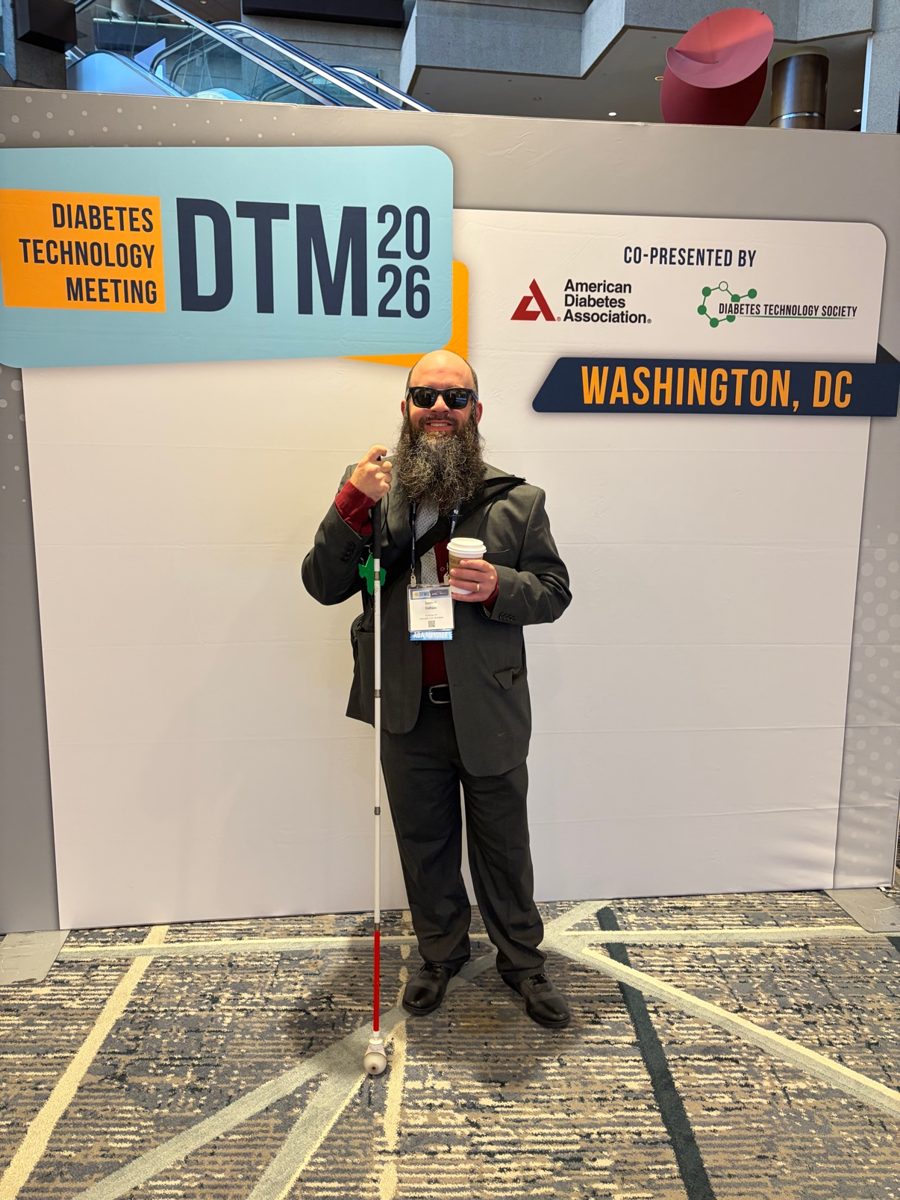
- Founder / Accessibility Consultant
- Accessible Diabetes Technology Consulting (ADTC), Brookings, South Dakota
- President
- National Federation of the Blind of South Dakota
- Board member & newsletter editor
- Diabetes Action Network
- Invited by the ADA
- to brief U.S. Senate staff on insulin access (Capitol Hill, Oct 2026)
- Founder
- Blind Guy Boards LLC (accessible products)
- Published essayist
- “Getting uncomfortable” (Substack); guest writer for Sunday Edition
- Testing platforms
- VoiceOver (iOS) and TalkBack (Android)
Accessibility isn’t optional. It’s independence.
Book an introductory call
The pilot is limited to the first three clients, with agreements signed by December 31, 2026. The fastest way to hold a slot is a short email — say which product you make, and Izzy will take it from there.
For pilot inquiries, introductory calls, and accessibility questions about your product.